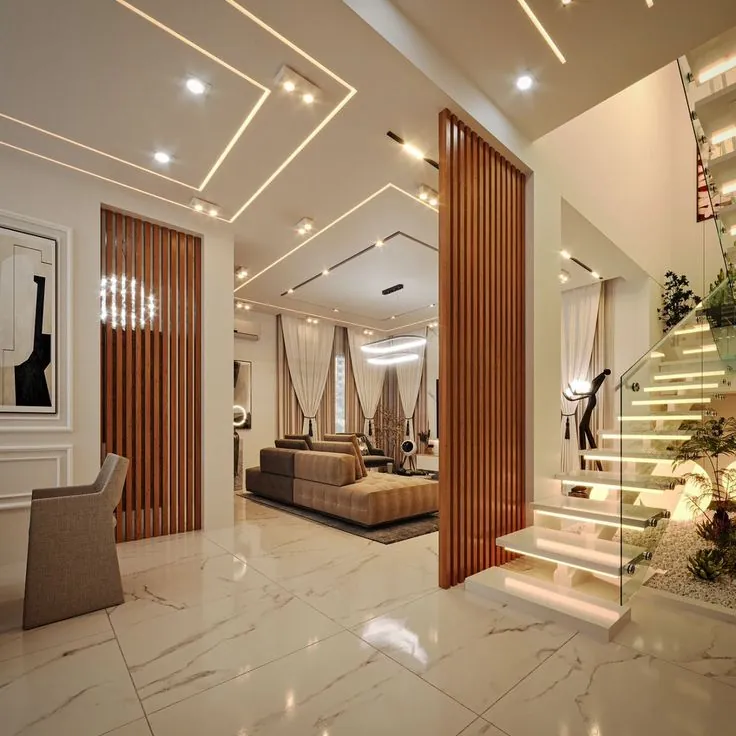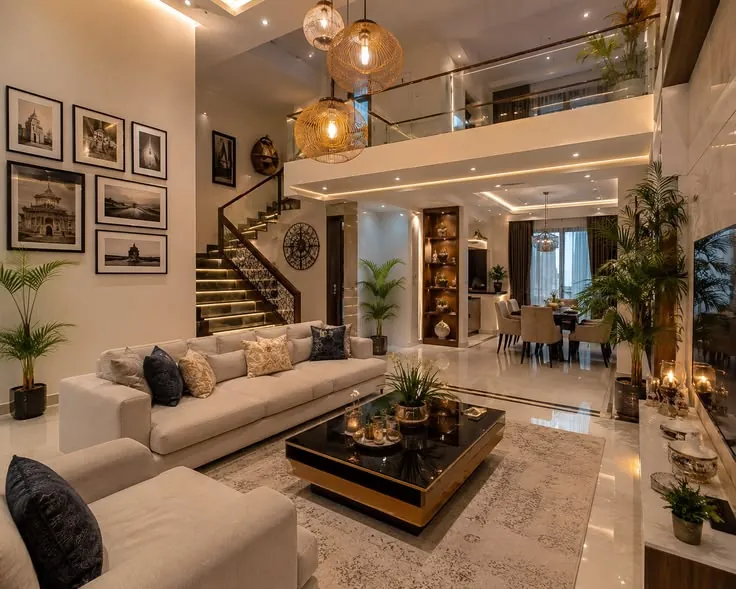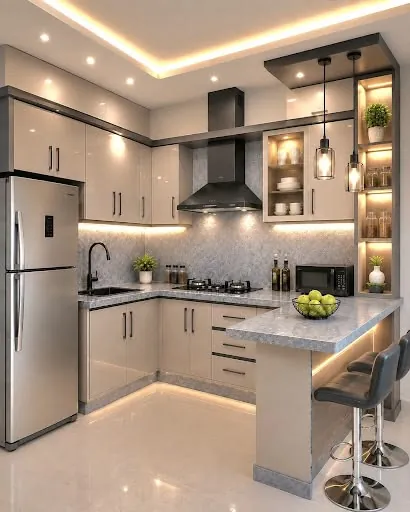
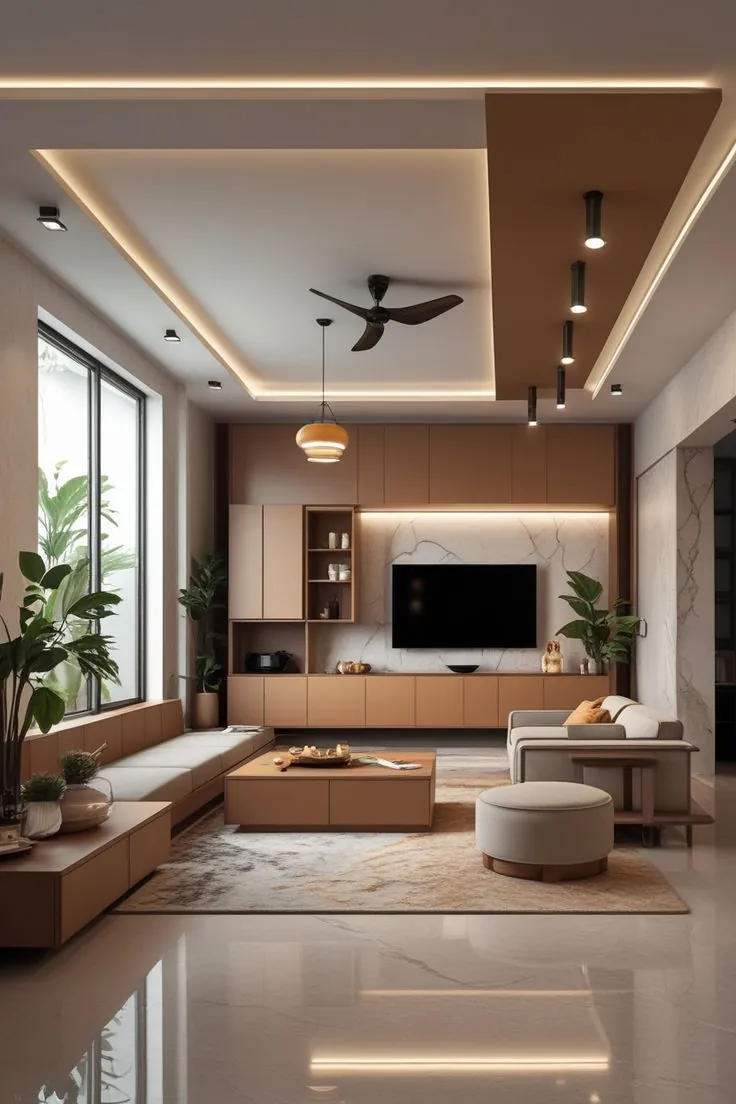
"Turnkey" means you hand over the keys to an empty space and receive them back when it is ready to use. In interior design, a turnkey project is one where a single team manages everything from design to execution, so you don't have to coordinate multiple designers, carpenters, electricians and suppliers yourself.
What a turnkey project typically includes
The exact scope varies by project and agreement, but turnkey interiors commonly cover:
- Design consultation and concept development
- Space planning and detailed drawings
- Material, finish and hardware selection
- Manufacturing of modular furniture
- False ceilings, lighting and electrical coordination
- Painting, paneling and finishing work
- Installation, quality checks and handover
Some projects also include loose furniture, furnishings, décor and appliances. The key is that everything is defined in a single agreed scope.
How the turnkey process works
At Vanessa Interiors, a turnkey project follows the same structured steps as all our work:
- Consultation — discussing the property, requirements and budget
- Planning — reviewing the layout and identifying interior needs
- Design — developing concepts and discussing materials
- Scope finalization — agreeing on deliverables, specifications and responsibilities
- Execution — coordinating the agreed work using our team
- Completion — final quality checks and handover
Benefits of turnkey interiors
One point of contact. You deal with a single team rather than juggling multiple vendors, which saves time and reduces miscommunication.
Consistent quality. When design, manufacturing and installation are managed together, details are less likely to fall through the gaps between trades.
Better coordination. Work is sequenced properly — electrical before ceilings, ceilings before painting, painting before final installation — reducing rework.
Clearer budgets. A defined scope with an agreed quotation makes costs easier to track.
Less stress. Particularly helpful for busy professionals, families relocating and owners of villas or offices with many rooms.
When turnkey makes most sense
Turnkey interiors are ideal for new homes, complete renovations, villas and offices where many trades are involved. If you only need one or two pieces of furniture, a simpler service may be enough.
Questions to ask a turnkey provider
- What exactly is included and excluded in the scope?
- Who manages the site day to day?
- How are changes handled once work begins?
- How is quality checked before installation and at handover?
- What warranty and post-project support is provided?
Our questions to ask before hiring an interior designer covers these in more detail.
How turnkey compares with hiring separately
When you hire a designer, carpenter, electrician, painter and false ceiling contractor separately, you become the project manager — scheduling each trade, resolving clashes between them and checking quality yourself. This can work for small jobs, but on larger projects it often leads to delays, repeated work and finishes that don't quite match the design.
A turnkey partner takes on that coordination. Because one team is responsible for the result, accountability is clearer: if something is not right, there is one point of contact to fix it.
Key takeaways
- Turnkey means one team manages design and execution end to end
- The agreed scope defines exactly what is included
- Benefits include one point of contact, better coordination and consistent quality
- It suits new homes, full renovations, villas and offices
Frequently asked questions
Is turnkey interior design more expensive?
Not necessarily. While a turnkey partner manages more of the project, better coordination often reduces rework, delays and wastage, which can save money overall.
Do I still get to make design decisions?
Yes. You approve layouts, materials, finishes and colours during the design stage. The turnkey team then executes the agreed design so you don't have to coordinate every trade yourself.
What happens if I want changes during execution?
Changes are possible, but they can affect cost and timelines, especially after production begins. A clear change process agreed at the start keeps everything transparent.
Start a turnkey project
If you'd like one team to take care of your interiors from start to finish, explore our turnkey interior services or contact us for a consultation.