A clear budget is the foundation of a successful interior project. It guides design choices, prevents unpleasant surprises and helps you make confident decisions when options multiply. Here is a practical method to plan one.
Step 1: Decide your overall limit
Start with the total amount you are comfortable spending, including a buffer. Consider whether you are funding the project from savings, a home loan or in phases. Knowing your ceiling early helps your designer recommend realistic options.
Step 2: Define the scope room by room
List every space and the work it needs: kitchen, wardrobes, TV unit, false ceiling, lighting, paneling, painting, bathroom updates, loose furniture and décor. Be specific — "wardrobe in master bedroom, full height, sliding" is far more useful than "bedroom furniture".
Step 3: Separate needs from wants
Mark each item as essential, important or optional. Essentials are things that are hard or costly to change later — the kitchen, wardrobes, electrical work and false ceilings. Optional items such as décor, artwork or a second accent wall can be added later without disruption.
Step 4: Allocate by priority
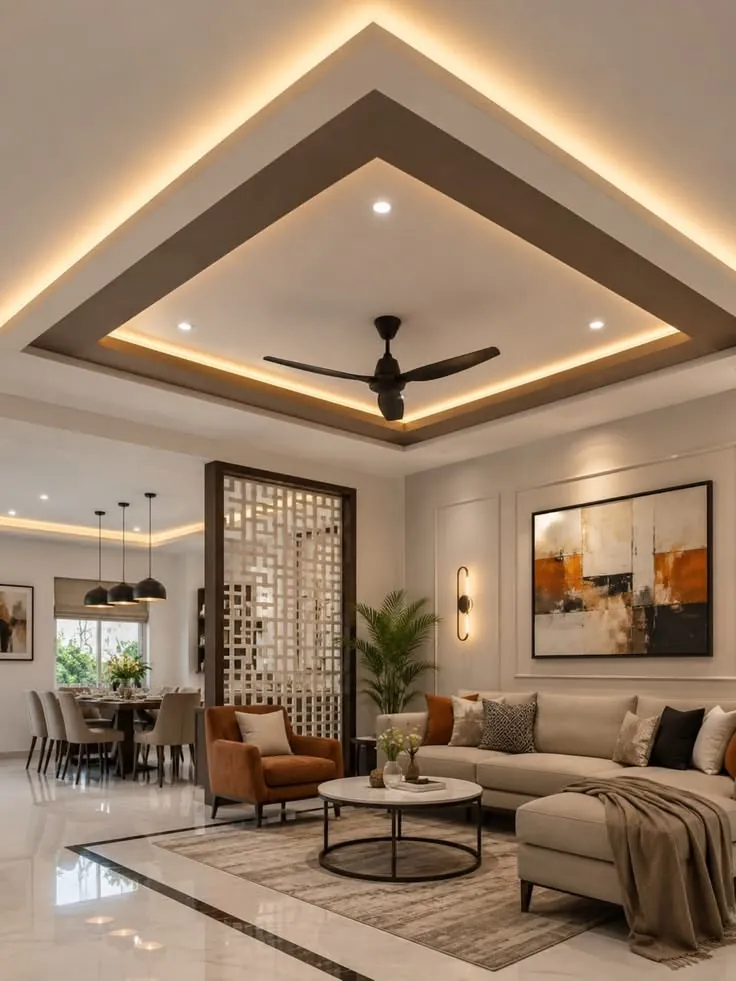
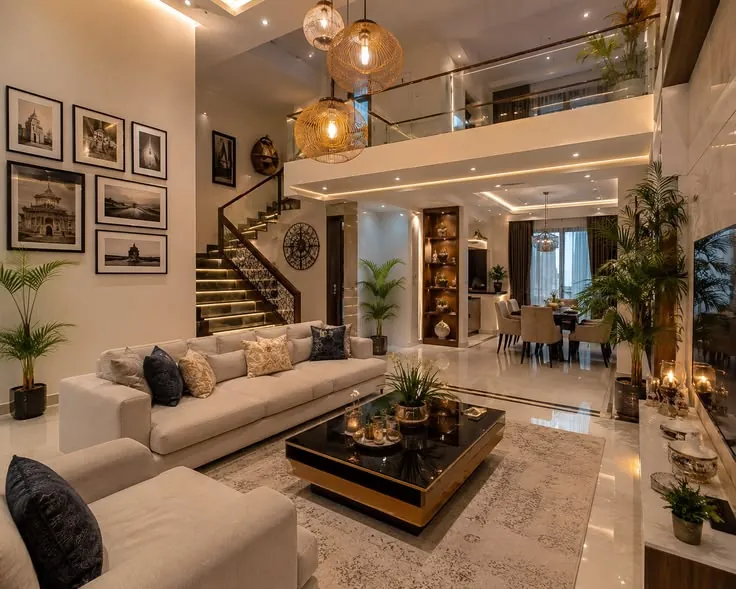
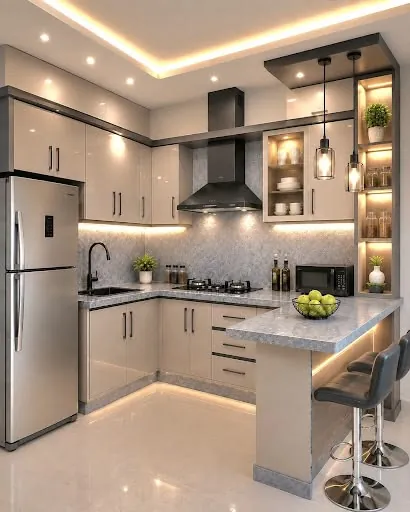
Most households spend the largest share on the kitchen and wardrobes, because they are used daily and built to last. Living room features and ceilings come next, followed by décor and furnishings. Allocate your budget in the same order as your priorities.
Step 5: Choose materials strategically
Materials have a big impact on cost. Spend on what you touch and see every day — kitchen shutters, countertops, wardrobe finishes and hardware — and use durable, economical materials inside cabinets and in less visible areas. Water-resistant boards in kitchens and bathrooms are worth the investment. Our article on home interior costs explains these choices in detail.
Step 6: Include the hidden costs
Budgets often go wrong because of items people forget:
- Electrical rewiring and additional points
- Plumbing and civil changes
- Painting and wall preparation
- Appliances and fixtures
- Curtains, blinds and furnishings
- Transportation and debris removal
- Society deposits or permissions
Step 7: Keep a contingency
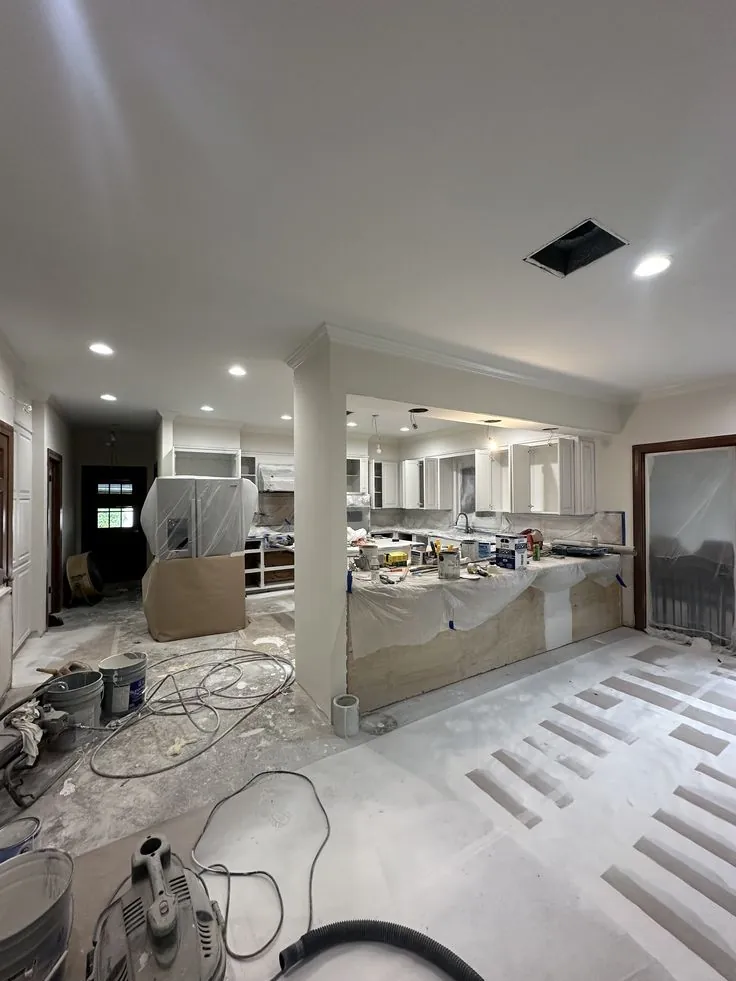
Set aside around ten percent of the budget — more for renovations — for unexpected site conditions or small changes. If you don't use it, it becomes your décor budget.
Step 8: Get a detailed estimate
A reliable estimate lists materials, finishes, quantities and exclusions. Share your room list and priorities with your designer so the estimate reflects your actual project. You can request a free estimate from our team at any time.
Step 9: Avoid mid-project changes
Changes after production begins are the most expensive. Take time during the design stage to review drawings and samples carefully, and approve everything before execution starts.
Step 10: Track spending
Keep a simple record of approved quotations, payments and any changes. Regular check-ins with your designer keep everyone aligned.
Key takeaways
- Set an overall limit and define the scope room by room
- Prioritise items that are hard to change later
- Spend on visible, frequently used surfaces and hardware
- Include hidden costs and keep a contingency
Frequently asked questions
What percentage of the budget should go to the kitchen?
There is no fixed rule, but the kitchen and wardrobes usually take the largest share because they are used every day and built to last. Your priorities and the size of your home will shape the final split.
How can I reduce costs without compromising quality?
Use premium finishes only on visible surfaces, choose economical but durable materials inside cabinets, keep designs simple in secondary rooms and avoid changes after production starts.
Should I include appliances in my interior budget?
Yes, if you plan to buy new ones. Appliance sizes affect kitchen design, so finalising them early helps your designer plan the right spaces.
Plan with confidence
A well-planned budget lets you enjoy the design process rather than worry about it. Explore our interior design services or contact us to start planning.