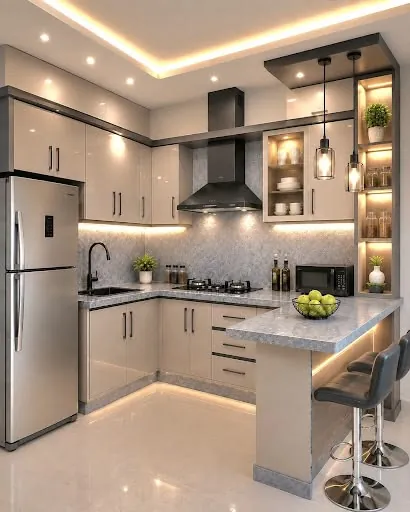
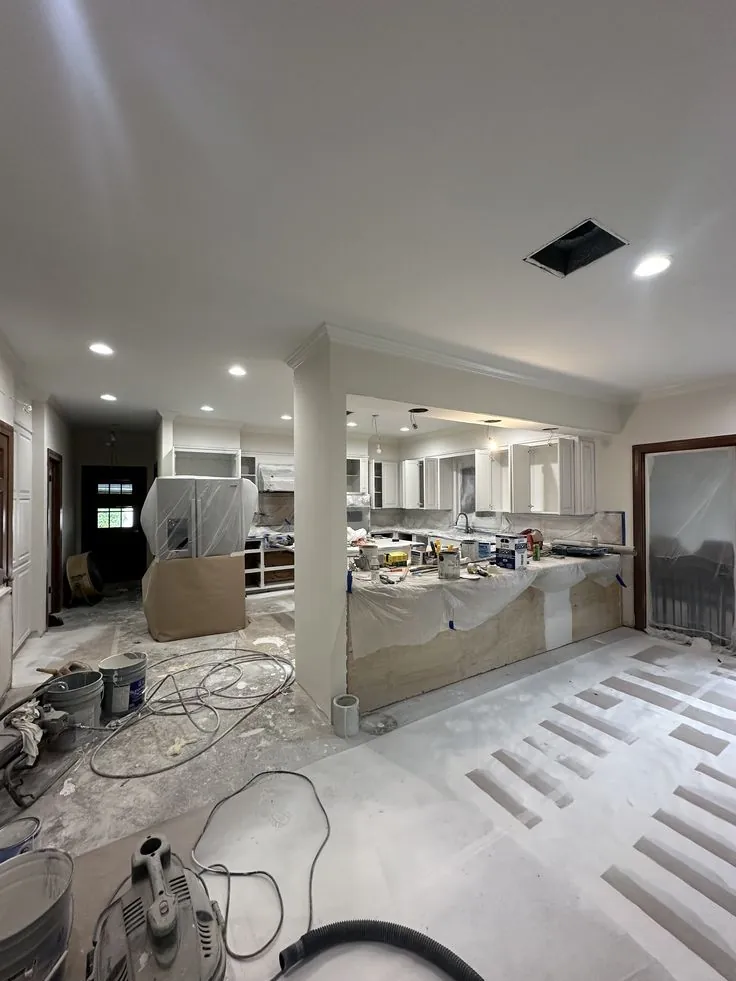
Renovating a home that you already live in — or are about to move into — is exciting, but it can also feel overwhelming. A clear checklist keeps the project organised, protects your budget and helps avoid the most common surprises.
1. Define your goals
Write down why you are renovating. Is it more storage, a modern kitchen, a refreshed look, better lighting or adapting to a growing family? List what must change and what would be nice to change. This helps you prioritise if the budget becomes tight.
2. Assess the existing condition
Before planning design, understand what you are working with:
- Signs of dampness, seepage or leakage
- The condition of electrical wiring and switchboards
- Plumbing lines in kitchens and bathrooms
- Flooring and wall surfaces
- Existing furniture that can be reused or modified
Problems hidden behind old furniture are common, so a proper site assessment saves money later.
3. Set a realistic budget
Allocate money to the essentials first, then to finishes and décor. Keep a contingency of around ten to fifteen percent for renovation projects, since existing conditions can reveal unexpected work. Our interior budget guide explains how to structure it.
4. Check permissions and society rules
Apartment associations often have rules about working hours, noise, debris removal and structural changes. Confirm these before work begins, and never alter structural elements without professional advice.
5. Finalise the design and scope in writing
Agree on drawings, materials, finishes and hardware before execution starts. A written scope that lists what is included and excluded — such as civil work, painting or appliance installation — prevents misunderstandings.
6. Plan the sequence of work
Renovation works best in a logical order:
- Demolition and removal of old fixtures
- Civil, plumbing and electrical changes
- False ceiling and wall preparation
- Flooring (if being replaced)
- Installation of modular furniture
- Painting and finishing
- Lighting, fixtures and final cleaning
Getting the order right avoids damage to new work and repeated effort.
7. Decide where you will stay
If the renovation is extensive, consider staying elsewhere during dusty or noisy phases. If you are living at home, plan the work room by room and protect furniture and belongings.
8. Choose durable materials
Renovation is a chance to fix past problems. Use water-resistant materials in kitchens and bathrooms, quality hardware, and finishes that suit how your family lives.
9. Stay involved during execution
Visit the site regularly, review progress against the agreed scope and raise concerns early. Small corrections are easy during work and difficult after completion.
10. Inspect carefully at handover
Check shutter alignment, drawer movement, edge finishing, paint touch-ups, electrical points and cleanliness. Ask for warranty details and care instructions before final payment.
Keep records
Save copies of the approved drawings, material specifications, quotations, payment receipts and warranty documents in one place. These records help if you need repairs, plan future changes or sell the property.
Key takeaways
- Define clear goals and assess the existing condition first
- Keep a larger contingency for renovations than for new homes
- Follow the right sequence: civil and services first, finishes last
- Inspect carefully and confirm warranty details at handover
Frequently asked questions
Can I live at home during renovation?
For small renovations, yes, especially if work is planned room by room. For larger projects involving demolition, flooring or extensive electrical work, staying elsewhere during the dustiest phases is more comfortable.
What is usually the most unexpected renovation cost?
Hidden issues such as dampness, old wiring or leaking pipes often appear once furniture and finishes are removed. A thorough site assessment and a contingency budget help manage these surprises.
Should I replace flooring during renovation?
Only if it is damaged or no longer suits the new design. If you do replace it, complete flooring before installing new furniture to avoid damaging finished work.
Start your renovation
Explore our renovation services or read our questions to ask before hiring an interior designer. When you're ready, contact us for a site discussion.