Choosing an interior designer is one of the biggest decisions in any home or office project. The right partner turns your ideas into a space that works every day; the wrong one can leave you with delays, budget surprises and finishes you have to live with for years. The good news is that a little structure makes the choice much easier.
Start with your project brief
Before you meet anyone, write down what you actually need. Which rooms are in scope? Is this a new apartment, a villa, an office or a renovation? Which matters more to you — storage, a particular style, durability with children and pets, or a quick move-in date? A clear brief lets you compare designers on the same terms, and it immediately shows who listens and who simply pitches a standard package.
Note your rough budget range too. You don't need an exact figure, but a realistic range helps a designer recommend materials and scope that fit, instead of designing something you will later have to cut back.
Look at real, completed work
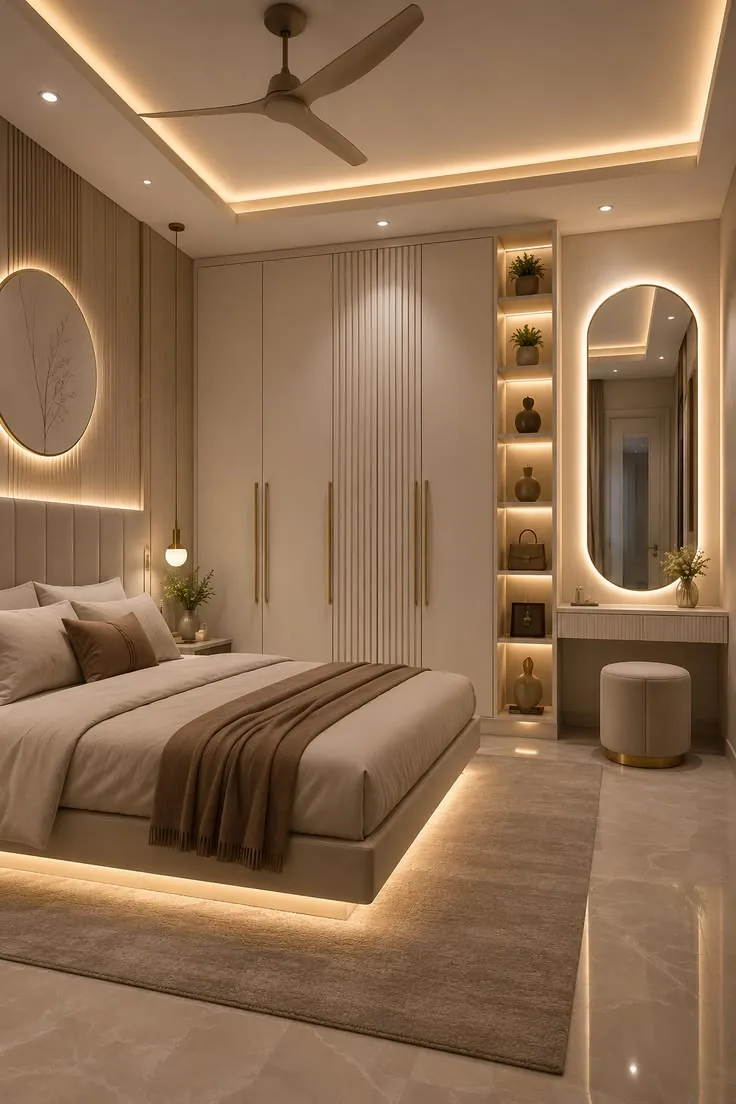
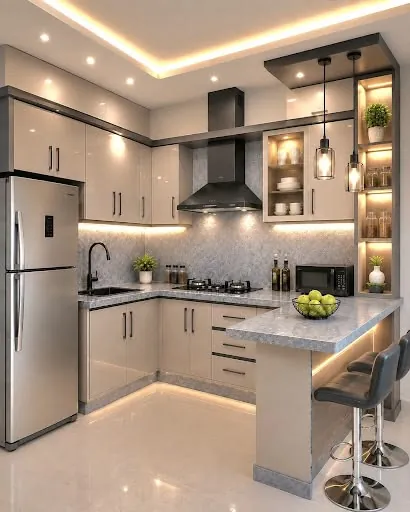
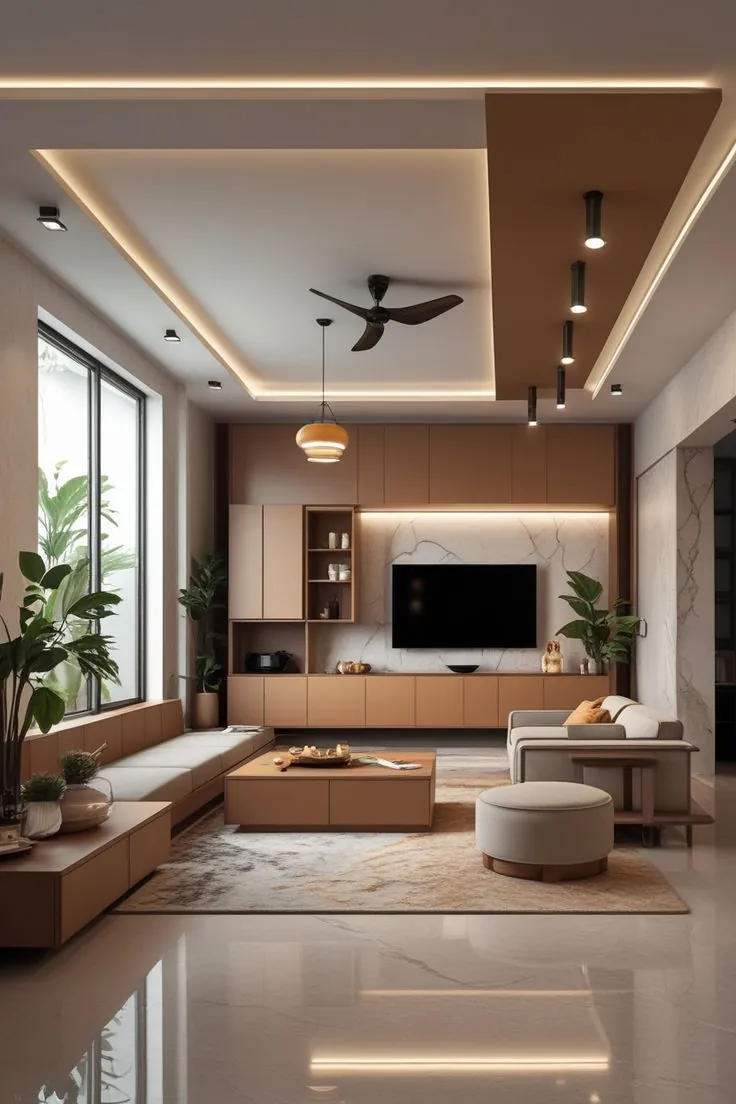
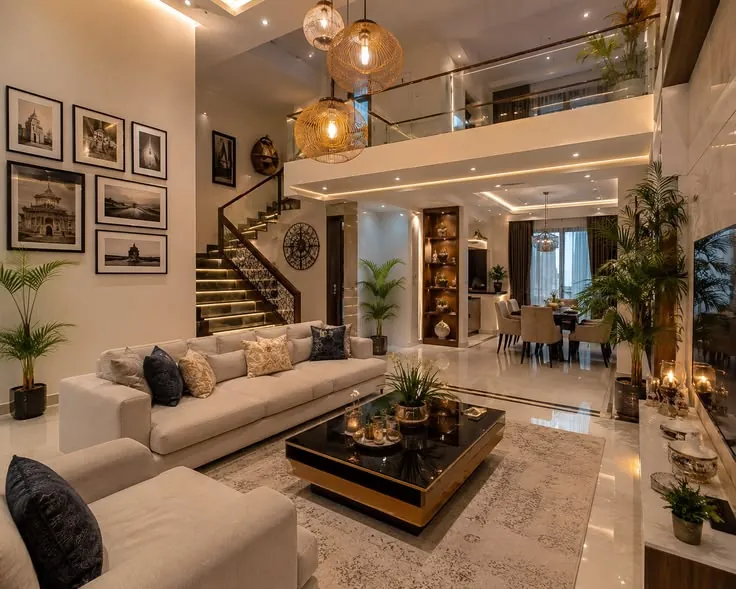
Renders are useful, but finished spaces tell you far more. Ask to see photographs of completed projects that are similar to yours in size and type. Look closely at the details: how laminate edges meet, whether shutters align, how lighting is integrated into ceilings and units, and whether storage looks planned or added as an afterthought.
If possible, ask whether you can speak to a past client. A designer who is proud of their work will rarely hesitate.
Understand the design and execution process
A good interior project follows a clear sequence. At Vanessa Interiors, for example, projects move through consultation, concept planning, design development, material and scope finalization, execution and handover. Whatever the exact names, you should know:
- How many design revisions are included
- When drawings and material samples are shared for approval
- Who manages the site day to day
- How changes are handled once work has started
- What the handover and support process looks like
Designers who explain their process upfront are usually the ones who follow it.
Ask where and how the work is made
Modular furniture quality depends heavily on how it is produced. Factory-made units cut on CNC machines tend to be more precise and consistent than pieces built entirely on site. Ask whether the designer has their dedicated execution team or relies on multiple subcontractors, and how quality is checked before installation. Our manufacturing and quality process is a good example of the kind of answers you should expect.
Compare quotations properly
Two quotes with the same total can describe very different projects. When you compare, check:
- Materials — the grade of plywood or board, the shutter finish (laminate, acrylic, PU), hardware brands and countertop material
- Scope — what is included and what is explicitly excluded, such as civil work, electrical changes, painting or appliances
- Measurements — whether the quote is based on actual site measurements or an estimate
- Payment schedule — linked to clear milestones rather than large upfront amounts
- Warranty and support — what is covered, for how long and under what terms
A slightly higher quote with better materials and a clearer scope is often the better value.
Watch for red flags
Be cautious if a designer refuses to put scope and materials in writing, pushes you to sign immediately, offers a price that is far below everyone else without explaining why, or cannot show completed work. Vague answers about timelines or warranty are also warning signs.
Check the personal fit
You will be working with your designer for weeks or months. Notice how they communicate in the first few conversations. Do they ask about your routines and preferences, or only about budget? Do they explain trade-offs honestly? A designer who listens well at the start usually manages the whole project the same way.
Key takeaways
- Write a clear brief and budget range before meeting designers
- Judge completed work, not just renders
- Make sure the process, scope and payment milestones are in writing
- Choose the designer who listens and explains trade-offs honestly
Frequently asked questions
How many designers should I meet before deciding?
Two or three is usually enough. Share the same brief with each so you can compare their ideas, process and quotations fairly. Meeting too many designers often makes the decision harder rather than easier.
Should I choose the designer with the lowest quote?
Not automatically. A lower total can mean thinner boards, basic hardware or important items left out of scope. Compare quotations line by line — materials, finishes, quantities and exclusions — before deciding which one offers real value.
How early should I involve an interior designer?
As early as possible. If you have just booked an apartment or are planning a renovation, involving a designer before electrical and plumbing work is finalised makes it easier to place lights, sockets and water points exactly where the furniture needs them.
Making the final decision
Shortlist two or three designers, share the same brief with each, and compare their thinking as much as their prices. The right choice is the one whose ideas suit your lifestyle, whose process you understand, and whose quotation you can read line by line without confusion.
If you'd like to see how we approach a project, explore our interior design services or read our list of questions to ask before hiring an interior designer. When you're ready, contact us for a consultation.