Luxury and minimalist interiors are often seen as opposites. Luxury celebrates richness, layering and statement pieces, while minimalism values restraint, simplicity and calm. In practice, both are about intentional design — and many of the most beautiful homes combine elements of each.
What defines luxury interiors
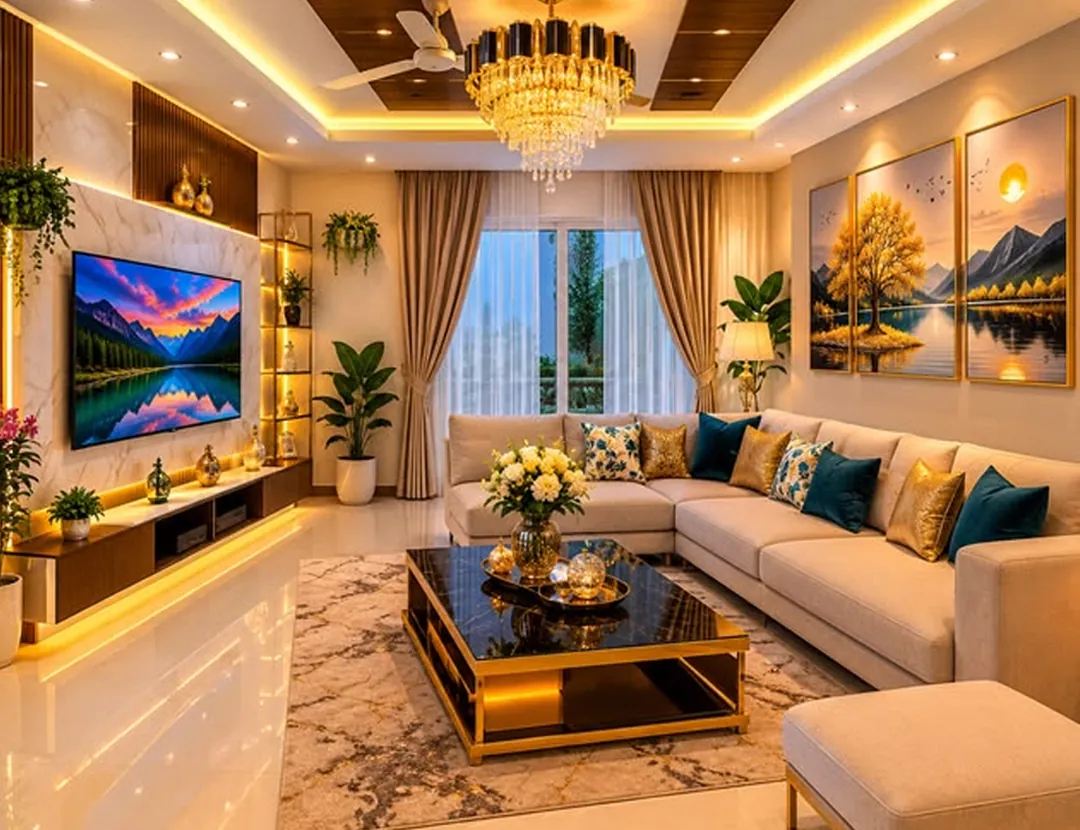
Luxury interiors focus on rich materials, refined detailing and a sense of occasion. Typical characteristics include:
- Natural stone, quality veneers, metallic accents and fine fabrics
- Statement lighting such as chandeliers and layered cove lighting
- Feature walls with paneling or textured finishes
- Generous scale and plush, comfortable furniture
- Carefully curated décor and art
Done well, luxury feels warm and indulgent rather than showy. Our guide to planning a luxury home interior explains how to achieve it.
What defines minimalist interiors
Minimalist interiors are about clarity and calm. They typically include:
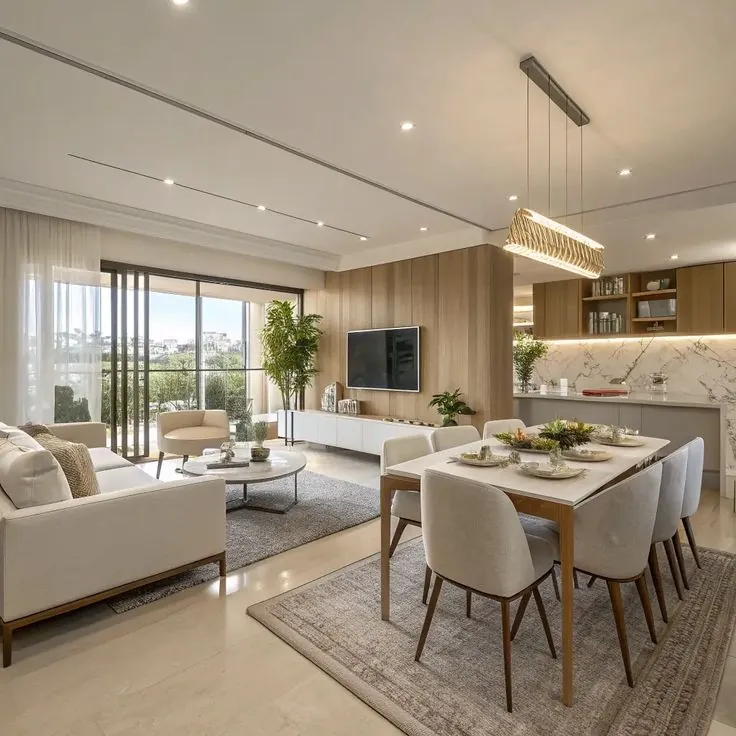
- A restrained palette of whites, greys, beiges and natural wood
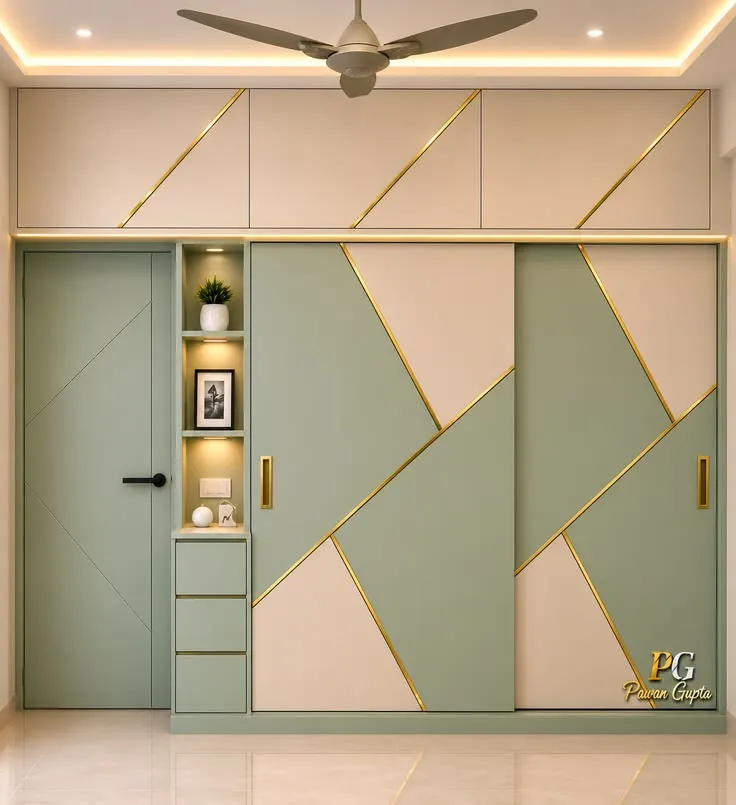
- Clean lines, flat or handle-less shutters and simple forms
- Plenty of concealed storage to keep surfaces clear
- Few, carefully chosen décor pieces
- An emphasis on natural light and open space
Minimalism is not about emptiness; it is about keeping only what is useful or meaningful.
Comparing the two
Materials — luxury uses visibly rich materials; minimalism favours honest, understated materials with excellent finishing.
Colour — luxury often layers deeper tones, metallics and contrast; minimalism keeps colours light and consistent.
Furniture — luxury favours plush, sculptural pieces; minimalism prefers simple, functional forms.
Storage — both need strong storage, but minimalism depends on it completely to stay clutter-free.
Lighting — luxury uses statement fixtures and layered accents; minimalism uses concealed, even lighting.
Maintenance — minimalist spaces are often easier to clean, while luxury interiors may need more care for delicate finishes.
Which suits you?
Choose luxury if you love rich textures, entertain often and enjoy a home that feels grand and expressive. Choose minimalism if you value calm, easy maintenance and uncluttered spaces. Consider your daily routines, family size and how much you enjoy displaying belongings.
The best of both: quiet luxury
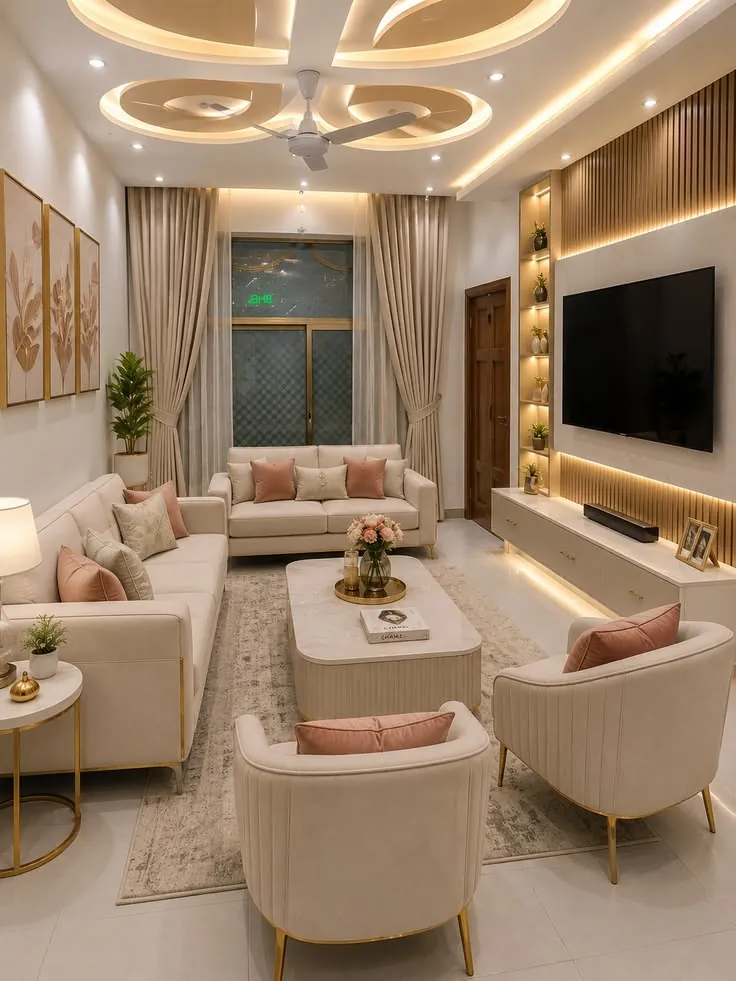
Many homeowners now prefer "quiet luxury" — a minimalist foundation with a few luxurious touches. Think clean-lined furniture in premium fabrics, a neutral palette with one natural stone feature wall, concealed storage combined with a single statement chandelier, or handle-less shutters in a beautiful veneer. This approach feels refined without being overwhelming.
Room by room: applying each style
Living room — luxury favours a statement chandelier, a stone or paneled TV wall and plush seating; minimalism prefers a clean wall-mounted unit, concealed storage and a few sculptural pieces.
Bedroom — a luxurious bedroom might feature an upholstered full-height headboard and layered fabrics; a minimalist bedroom relies on a low bed, handle-less wardrobes and soft, even light.
Kitchen — luxury kitchens showcase rich countertops, glass cabinets and metallic details; minimalist kitchens use flat shutters, integrated handles and uninterrupted counters.
Key takeaways
- Luxury celebrates rich materials, layering and statement pieces
- Minimalism values restraint, clean lines and concealed storage
- Both depend on careful planning and excellent finishing
- "Quiet luxury" blends a minimalist base with a few rich touches
Frequently asked questions
Is minimalist design cheaper than luxury design?
Not always. Minimalism relies on precise finishing and generous concealed storage, which require careful work. It can be economical, but simplicity done well still needs quality materials and craftsmanship.
Can I combine both styles in one home?
Yes. Many homes use a calm minimalist base with a few luxurious elements, such as a stone feature wall, a statement chandelier or premium upholstery.
Which style is easier to maintain?
Minimalist spaces are generally easier to clean because there are fewer surfaces and objects. Luxury interiors may need more care for delicate fabrics and finishes.
Design your style
Whichever direction you prefer, a good designer helps translate it into a home that suits your life. Explore our home interior services and villa interiors, or contact us to discuss your style.