Colour has a powerful effect on how a home feels. The right palette can make rooms feel larger, calmer or more energetic, and it ties together furniture, flooring and décor. Yet choosing colours is one of the decisions homeowners find hardest. A simple method makes it much easier.
Start with what won't change
Look first at the elements that are expensive or difficult to change: flooring, kitchen countertops, large furniture and any stone or wood finishes. Your wall and furniture colours should work with these, not against them.
Build a palette using the 60-30-10 idea
A balanced room often uses:
- 60% — a dominant base colour for walls and large surfaces
- 30% — a secondary colour for furniture, shutters or a feature wall
- 10% — an accent colour in cushions, art, rugs or accessories
This simple ratio prevents rooms from feeling either flat or chaotic.
Understand undertones
Two whites or greys can look completely different because of their undertones. Warm colours have yellow, red or pink undertones; cool colours lean towards blue or green. Keep undertones consistent across a room — mixing warm and cool neutrals carelessly can make finishes look mismatched.
Consider light
Natural light changes how colours appear throughout the day. North-facing rooms receive cooler light and benefit from warmer tones, while rooms with strong sunlight can handle cooler shades. Artificial lighting matters too — warm white bulbs make colours look softer and more yellow. Always test paint samples on the wall and view them in the morning and evening.
Colour ideas room by room
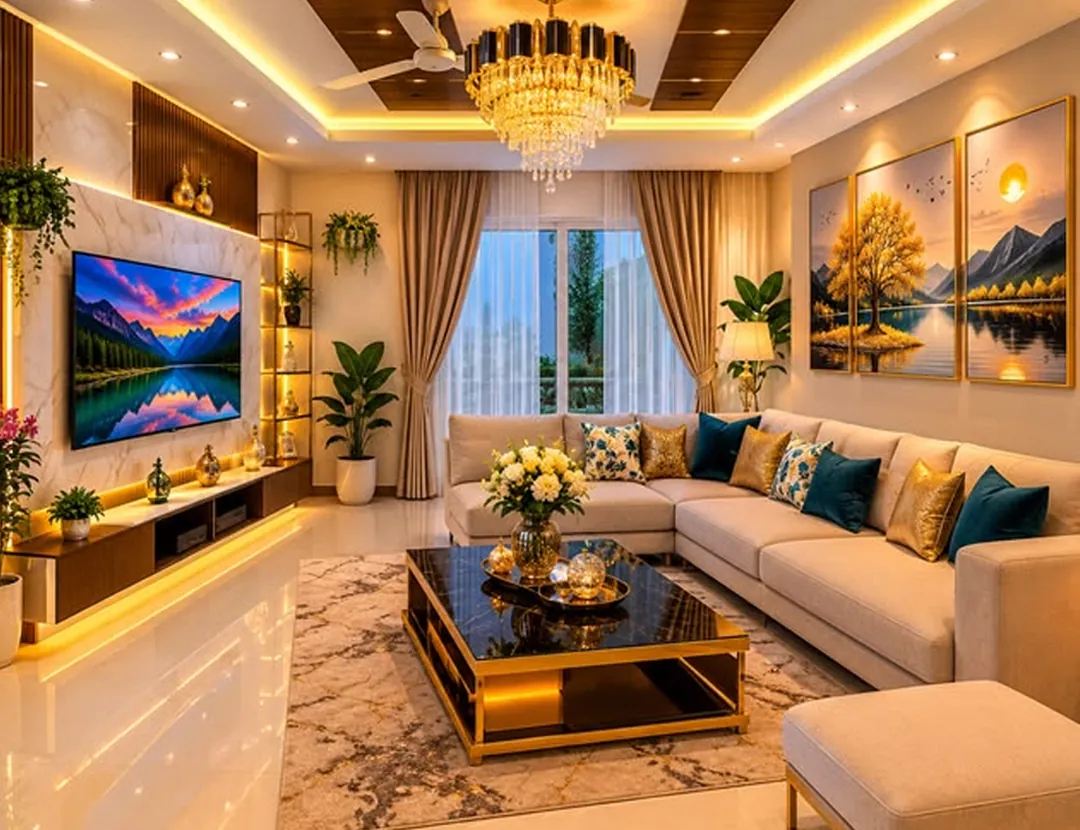
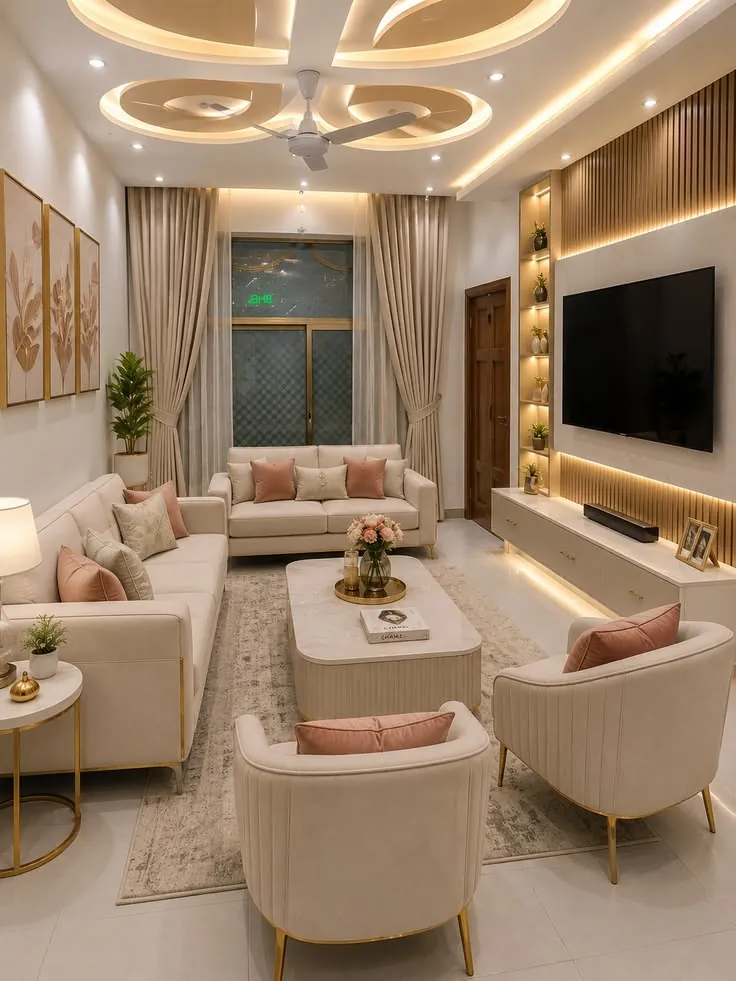
Living room — warm neutrals such as beige, greige or soft taupe make a welcoming base. Add depth with wood tones and accent colours in fabrics.
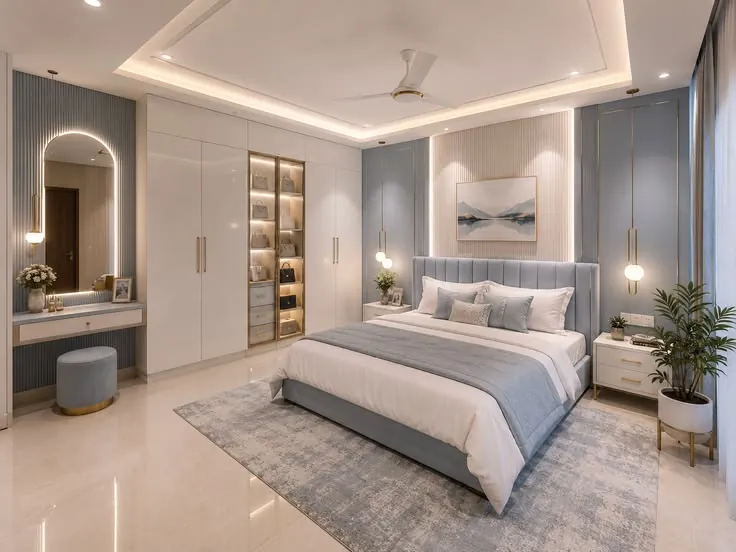
Bedroom — calming tones like muted blue, sage green, soft grey or blush create a restful atmosphere. Use deeper shades on the bed back wall.
Kitchen — lighter shutters keep compact kitchens bright, while two-tone combinations, such as light wall units with darker base units, add contrast.
Kids' rooms — keep fixed furniture neutral and bring in colour through walls, bedding and décor, which can change as children grow.
Study and office — soft greens and blues support focus, with neutral surroundings to avoid distraction.
Coordinate paint, laminates and fabrics
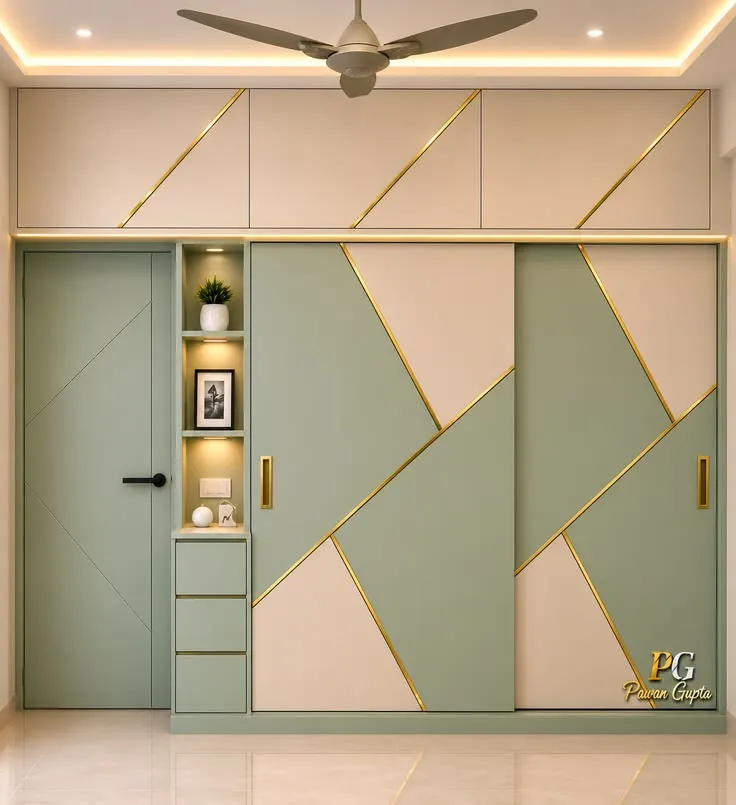
Interior colour is not only paint. Laminates, veneers, acrylic shutters, upholstery and curtains all contribute. Gather physical samples of each and view them together in the room before finalising. What looks perfect on a screen can look very different in real life.
Create flow between rooms
Use one or two common colours throughout the home so rooms feel connected, especially in open-plan spaces. You can vary intensity — a deeper shade in one room, a lighter version in another — while keeping the same family of colours.
Don't fear accent walls — but use them wisely
A feature wall behind the TV or bed adds personality. Choose one wall per room and keep surrounding walls quieter. Textured paint, wallpaper or paneling can replace paint for added interest.
Key takeaways
- Start with fixed elements such as flooring and countertops
- Use the 60-30-10 ratio for a balanced palette
- Keep undertones consistent and test colours in different light
- Coordinate paint with laminates, fabrics and furniture samples
Frequently asked questions
What are the safest colours for a whole home?
Warm neutrals such as off-white, beige and greige are versatile and work with most furniture and flooring. Add personality through accent walls, fabrics and décor.
Can dark colours work in small rooms?
Yes, in moderation. A dark accent wall can add depth, especially with good lighting. Keep the other walls and furniture lighter to stop the room feeling enclosed.
How many colours should one room have?
Usually two or three main colours plus one accent. Repeating the same colour family across rooms creates a cohesive flow through the home.
Get help choosing
If you'd like a professional eye on your palette, our designers help coordinate colours, materials and finishes as part of every home interior project. Contact us to start a conversation.